

What Do You Mean by Cretan Fine Dining, Chef?
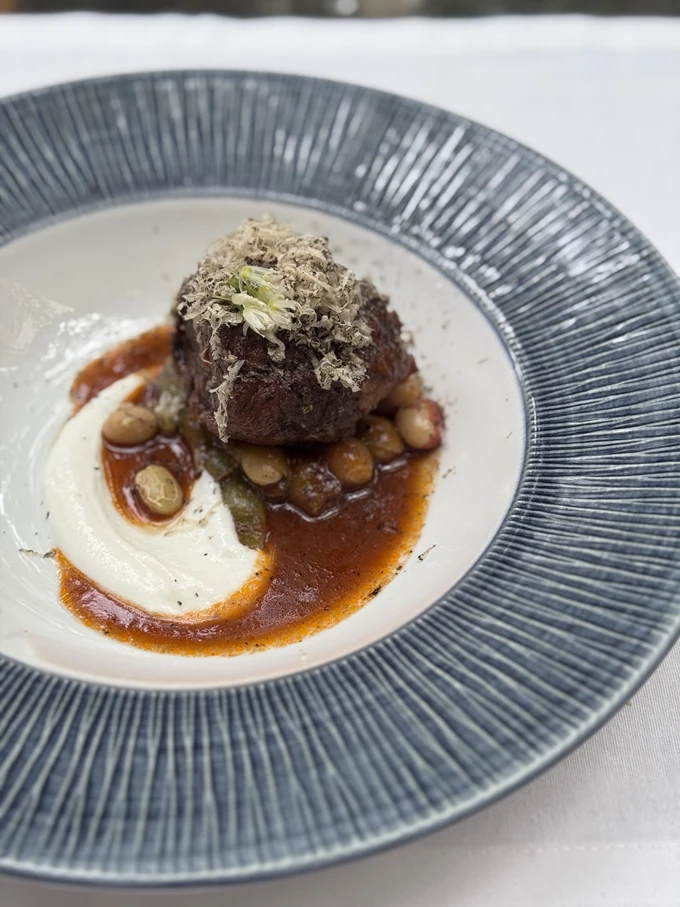
A new culinary trend is beginning to emerge in some of Crete’s most acclaimed restaurants. It centers on reinterpreting the island’s celebrated traditional cuisine through the lens of fine dining.
When you hear the words Cretan cuisine, chances are a very specific image comes to mind, one filled with authentic, comforting, and delicious food. And rightly so. The cuisine of Greece’s largest island embodies everything that makes the Mediterranean diet so revered, combining exceptional local ingredients with honest flavors, home-style warmth, and effortless simplicity.
That doesn’t mean, however, that it cannot evolve. Traditional Cretan cooking can also thrive in a more refined culinary setting, offering a fresh perspective while remaining true to its roots.
A growing number of talented chefs are embracing this challenge with precision and creativity. Some dishes hit the mark immediately, while others are still evolving. Yet the broader idea remains compelling. A centuries-old culinary tradition can be reimagined in a contemporary context, giving visitors a new way to experience one of Greece’s richest gastronomic cultures.
One standout example is Chef Vasilis Leonidou’s work at Avli, nestled in the heart of Rethymno’s Old Town among 16th-century Venetian buildings and the restaurant’s enchanting flower-filled courtyard. His menu blends Cretan and Greek culinary traditions with modern techniques and creative interpretations, always placing local ingredients at center stage. Dishes such as Cretan-style carbonara meat pie, lamb served with carrot cream and giant beans, and apaki smoked pork paired with roasted mushrooms, sourdough bread sauce, and grape molasses strike a thoughtful balance between heritage and innovation.
Another notable destination is Madaros, the fine dining restaurant at the luxury Oros Luxury Beach Resort in Episkopi, Rethymno. Here, Michelin-starred and Golden Chef’s Hat award-winning chef Alexandros Tsiotinis has created a tasting menu rooted in Cretan gastronomy, showcasing local produce and the island’s aromatic herbs. Among the highlights are mushroom skaltsounia served with wild greens mayonnaise and lemon-infused staka cream, as well as an almond parfait with carob “soil,” lemon cream, and Greek coffee mousse. The dessert is presented in the shape of the island of Crete, transforming the final course into both a culinary creation and a symbolic tribute.
Before you dismiss this movement as a threat to tradition, consider the opposite. This new wave of creativity does not seek to replace authentic Cretan cuisine. Instead, it offers another stage on which it can shine. The key is respect. Chefs venturing into this territory should keep their eyes and ears open and spend time learning from the true custodians of Cretan flavor. Restaurants such as Leventis in Ano Stalos, Chania, Onisimos in Peza, Heraklion, and Ferryman in Elounda continue to preserve the traditions that inspire this new generation of Cretan fine dining.
Content Manager: Ambassador Mykonos Promo Kostas Skagias