

THE MOST BEAUTIFUL NATURAL PHENOMENA IN THE WORLD IN PICTURES

The diverse beauty of the planet is heart-stopping. And seeing it in all its glory is one of the prime reasons we travel. But, as we know, the earth is under threat, climate change diminishing it bit by bit. In a deceptive twist, it is as the concentration of CO2 in the atmosphere and the fragility of the planet increase that some of the most extraordinary marvels evolve, with melting glaciers and warming temperatures producing unexpected fireworks of colour and form. But these should be taken as nature’s warning signs. It has never been more important to nourish and protect our surroundings.
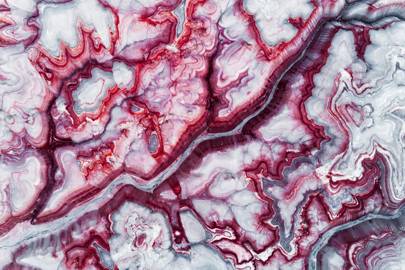
The eroded, clay-soil landscape of the Badlands region in Utah is arrestingly red and rippled.
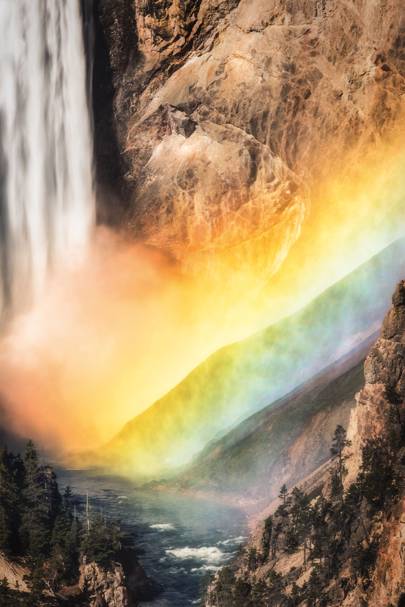
A rainbow forms in the mist of Wyoming’s Lower Falls, the largest-volume waterfall in the Rocky Mountains.
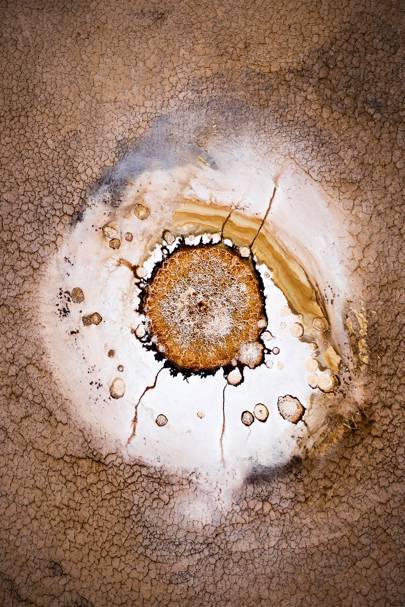
Kati Thanda-Lake Eyre is Australia’s biggest salt lake, where layers of sediment and algal bloom are revealed during droughts.
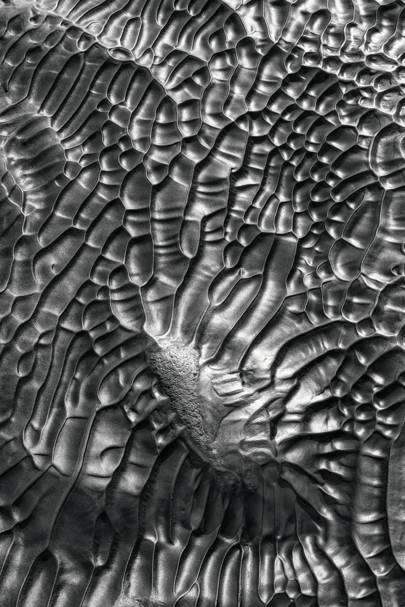
In Iceland, silvery sand patterns bubble on the banks of the Bláfellsá stream, where glacial muddy water mixes with clay.
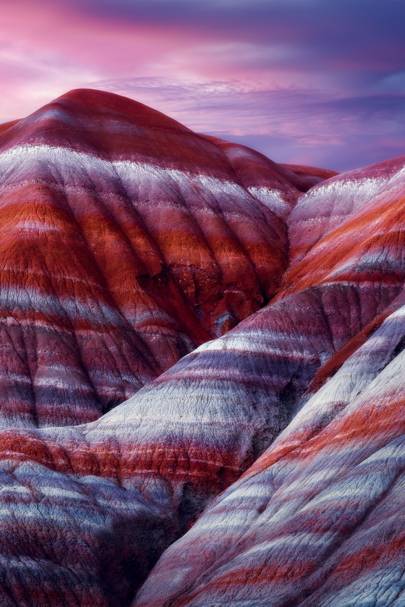
The sandstone mountains at Paria Canyon around the Utah-Arizona border are striped with iron oxides, cobalt and manganese.
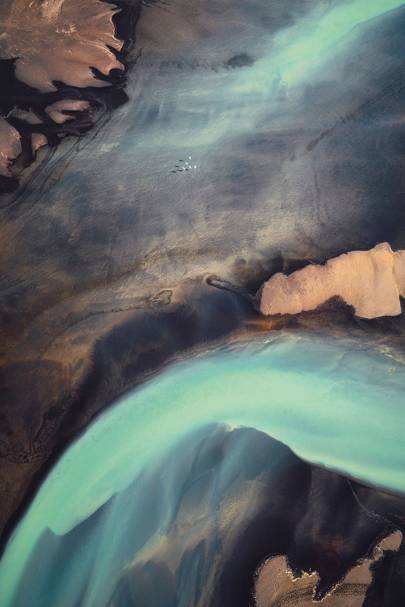
Birds fly over waves of glacial meltwater in the river deltas of southern Iceland.
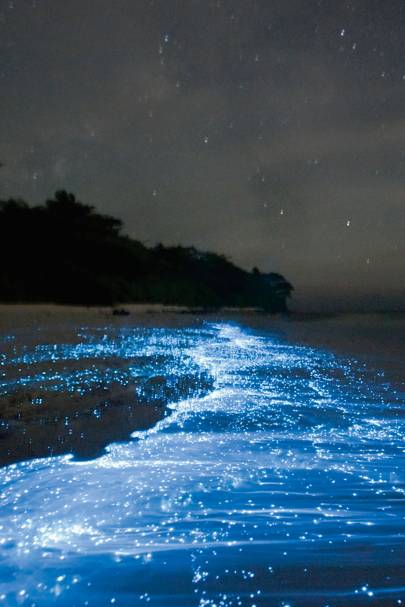
On Vaadhoo island in the Maldives, bioluminescent plankton light the shores with a blue glow.
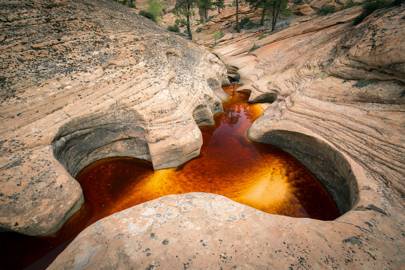
Metallic pools at Heaps Canyon in Zion National Park, Utah, shine copper-orange due to a high concentration of iron oxides.
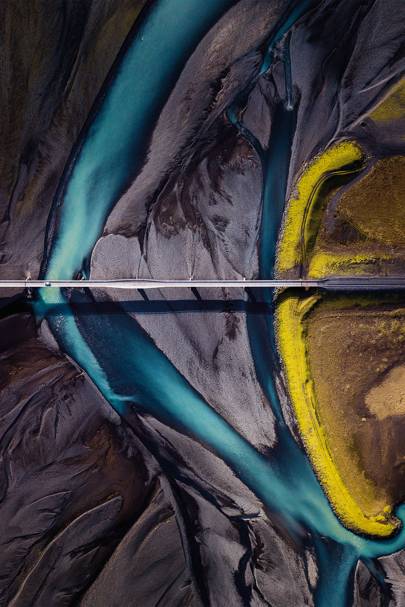
Primary colours pop through a glacial river near southern Iceland’s Lómagnúpur mountain, where the turquoise water contrasts with the black volcanic sands and yellow moss.
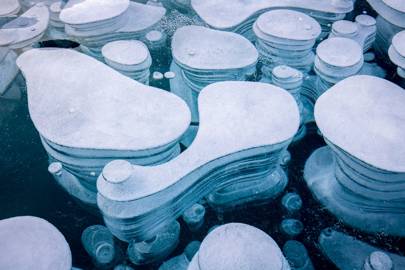
On the bed of Abraham Lake in Canada’s Alberta, methane bubbles produced by decaying plants become trapped like pancakes in the ice during winter.
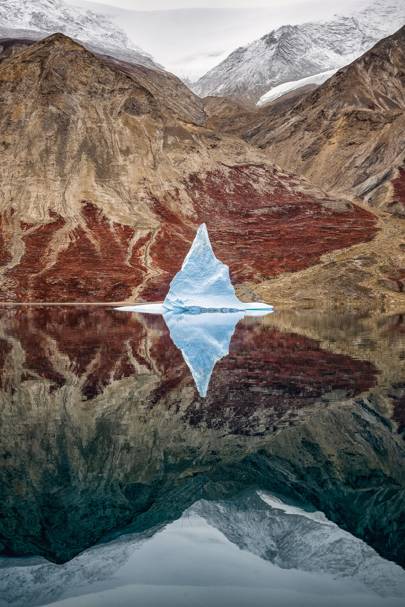
A single iceberg floats in front of a fjord at Northeast Greenland National Park.
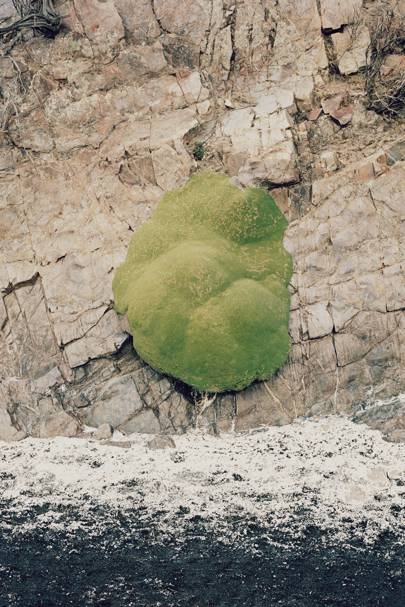
A yareta plant growing on a rockface at an elevation of 9,350ft in Bolivia’s Tupiza is estimated to be more than 3,000 years old.
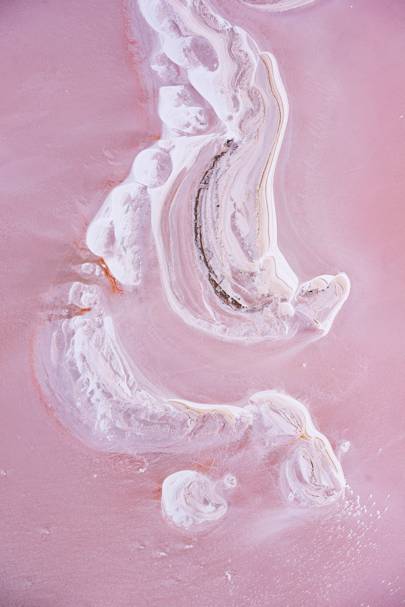
At the lowest natural point in Australia, Lake Eyre’s water turns a rosy pink as a result of a pigment found within an algae species specific to high-salinity sites.
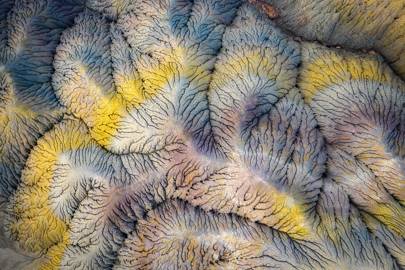
At Arizona’s Vermilion Cliffs National Monument, erosion has created ripples and patterns in the colourful, clay-rich soil over time.
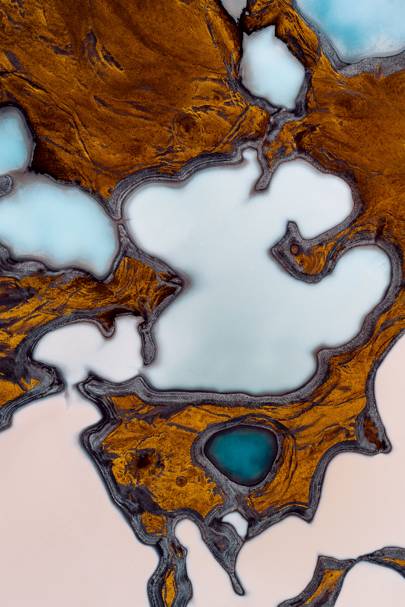
Meanwhile, pools produced by retreating glaciers lie in the outwash plains of Iceland, their varying shades denoting the amount of sediment and depth in each one; the deeper and more clear the water, the bluer it is.
Source: cntraveller.com


